
Mood & Anxiety Disorders
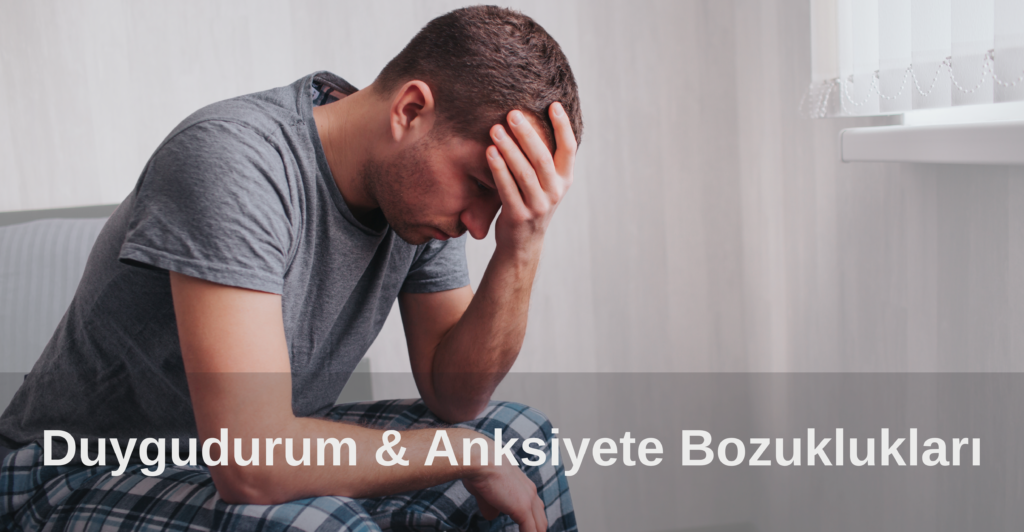
Emotions and Anxieties: The Restoration of Inner Balance
Life, by its very nature, is full of ups and downs; however, sometimes these fluctuations become persistent and begin to overshadow a person’s quality of life, social relationships, and functioning. Mood and Anxiety Disorders refer to more than a person simply experiencing “low mood” or “excitement”; they express biochemical and psychological changes in the brain’s emotion-regulation mechanisms.
Mood Disorders: The Fading and Excessive Brightening of Colors
Mood disorders are conditions in which a person’s basic emotional state (affect) deviates from normal for a prolonged period. In this spectrum, two main poles stand out:
Depression (Melancholy): It is not just sadness; a process characterized by loss of interest in life, a deep lack of energy, feelings of guilt, and sometimes physical pain. Depression is like putting a gray filter on the mind’s perspective of the world.
Bipolar Disorder (Bipolar): Emotions swing like a pendulum between “mania” (excessive euphoria, insomnia, risky behaviors) and “depression.” In this process, expert support is vitally important to keep the pendulum centered (stable).
Anxiety Disorders: The Breakdown of the Mind’s Alarm System
Anxiety is, in fact, a natural mechanism that protects people from dangers. However In anxiety disorders,this “alarm system” keeps going off continuously even when there is no concrete danger present.
Generalized Anxiety Disorder: Uncontrollable anxiety that takes up most of the day and the expectation that “the worst will happen.”
Panic Disorder: Sudden panic attacks characterized by palpitations and shortness of breath.
Social Phobia: Avoiding social situations due to fear of being judged by others.
When is Expert Support Necessary?
Feeling sadness or anxiety is a human condition, but the following symptoms indicate that it is time for “professional intervention”:
Continuity: The persistence of emotional distress or excessive anxiety for more than 2 weeks and not resolving.
Loss of Function: Difficulty getting out of bed in the mornings, inability to go to work/school, or complete withdrawal from one’s social environment.
Physical Symptoms: Chronic insomnia, appetite changes, unexplained chest tightness, and tremors.
Distortion in Thought Structure: Difficulty concentrating, excessive forgetfulness, or deep hopelessness thoughts such as “life has no meaning anymore”.
Avoidance Behaviors: A persistent tendency to continuously avoid social events, crowded places, or responsibilities in order to avoid feeling anxiety.
Osman Abalı Assoc. Prof. MD
Child-Adolescent-Adult Psychiatrist