Treatment-Resistant Disorders
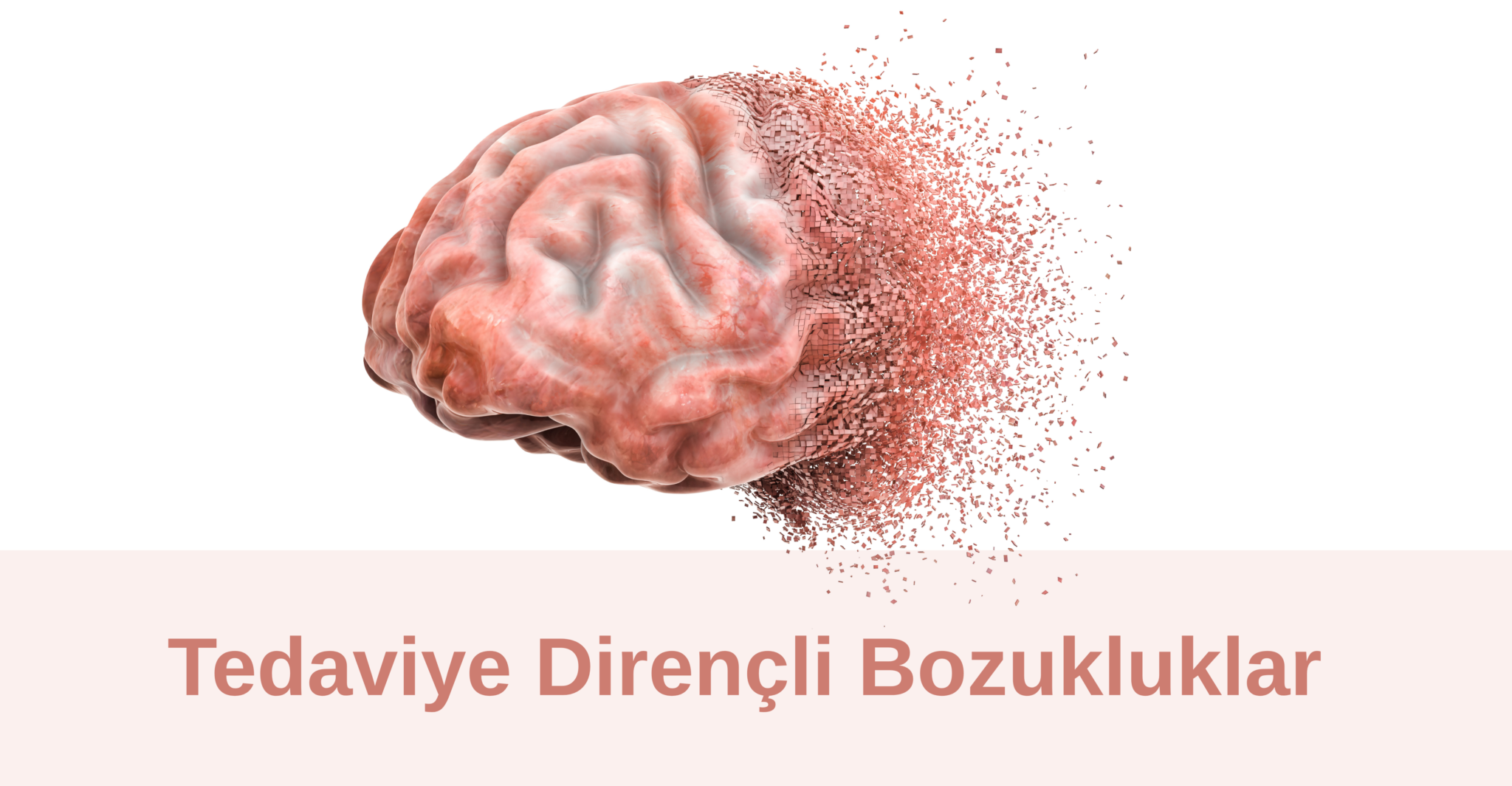
Treatment-Resistant Disorders: Not Unsolvable, but Requiring Next-Generation Approaches
Although standard psychiatric treatment protocols (medication and traditional therapies) are successful in a large proportion of cases, in some situations symptoms may fail to show the expected improvement. Treatment-Resistant Disorders refer to conditions in which an adequate response cannot be achieved despite the appropriate use of at least two medications from different classes at proper doses and durations. However, modern neuropsychiatry now offers far more advanced and targeted treatment options for these “resistant” cases.
The Neurobiology Behind Resistance
Treatment resistance is generally associated with a reduced neuroplasticity (self-renewal) capacity of the brain or a complex imbalance within neurotransmitter systems. While standard treatments focus only on surface-level symptoms, resistant cases require the reorganization of deeper brain circuitry.
Advanced Methods Used in Treatment-Resistant Conditions
In our clinical practice, when standard approaches prove insufficient, we implement the following advanced methodologies:
Medication Combination and Augmentation Strategies: Adding secondary agents that work through different mechanisms to enhance the effectiveness of the current treatment.
Next-Generation Pharmacotherapy: Modern molecular treatments that act rapidly through alternative pathways, such as the brain’s glutamate system, beyond classical antidepressants.
Neuromodulation Techniques: Non-invasive methods that regulate neural transmission by sending magnetic or electrical stimulation to specific brain regions (e.g., TMS).
Personalized Psychotherapy: Intensive therapy models targeting the traumatic roots or chronic schemas underlying resistance.
When Should a “Resistant Condition” Be Suspected?
If you or a loved one have been receiving treatment for a long time but are still experiencing the following situations, it may be time to change the treatment approach:
Symptom Persistence: Less than a 50% reduction in the severity of hopelessness, anxiety, or obsessions despite medication use.
Partial Response and Relapse: Signs of improvement lasting only briefly, followed by a rapid return of the disorder to its previous severity.
Side Effect Barrier: Side effects impairing quality of life before reaching a therapeutic medication dose (this may indicate metabolic resistance).
Chronic Functional Impairment: Social and occupational functioning failing to stabilize despite treatment.
Osman Abalı Assoc. Prof. MD
Child-Adolescent-Adult Psychiatrist