
Attention & Learning Problems
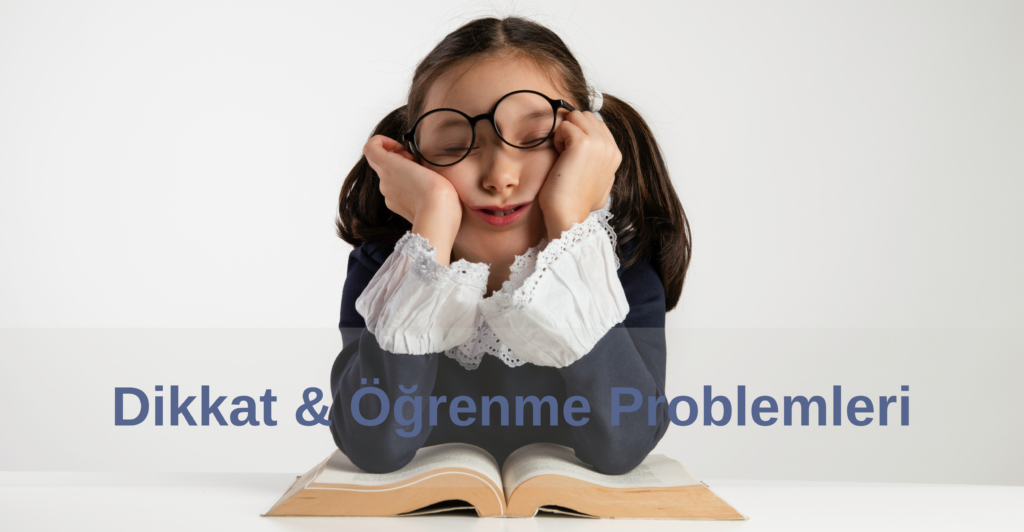
Attention and Learning Journey: Differences That Shape Potential, Not Block It
Every child learns, but not every child learns “in the same way.” For some children, letters can turn into a maze; for others, sitting in a chair for five minutes may seem like an impossible task. Attention and Learning Disorders are not an intellectual deficiency; they are a structural difference in the brain’s way of receiving, processing, and organizing information. Modern child psychiatry sees these children not as “unsuccessful,” but as “talents whose learning styles are waiting to be discovered.”
The Invisible Barrier to Focus: ADHD (Attention Deficit and Hyperactivity Disorder)
ADHD does not simply mean being hyperactive. This condition is a way the brain’s “executive functions” mechanism operates. A child with ADHD may struggle to sustain attention on a subject that does not interest them, while experiencing “hyperfocus” in an area they are passionate about (such as video games, drawing, or mechanical work). The treatment and support process aims to discipline this scattered energy and help the child use their creativity and intelligence productively.
A Difference in Information Processing: Specific Learning Disorders (Dyslexia, Dysgraphia, Dyscalculia)
A learning disorder means that although the child’s intelligence is average or above average, they experience unexpected difficulties in academic skills.
Dyslexia (Reading Disorder): Difficulty combining letters with sounds or recognizing words.
Dysgraphia (Writing Disorder): Letter errors while writing, poor handwriting, or difficulty transferring thoughts onto paper.
Dyscalculia (Mathematics Disorder): Difficulty understanding numerical symbols, the concept of time, or simple arithmetic operations.
ZEKÂ NASIL GELİŞİR?
Zekâ, yalnızca genetik özelliklerle belirlenen sabit bir yapı değildir. Genetik mirasın yanı sıra çocuğun içinde bulunduğu çevre, öğrenme deneyimleri ve sosyal etkileşimler de bilişsel gelişimde önemli rol oynar. Özellikle anne karnından itibaren çocuğun zekâ sistemi desteklenmeye başlar. İdeal ve rahat bir hamilelik dönemi, doğum ve doğum sonrası bakım, anne-çocuk etkileşimi ile bağlanma sisteminin tam olması etkileyici unsurlardır. 0-3 yaş arasında beynin korteksinde hızlı bir şekillenme olması, zekânın doğru gelişmesini sağlar.
Anne-Baba İlgisi Zekâ Gelişimini Nasıl Etkiler?
Çocukların anne-baba ile kurduğu güvenli ve sıcak ilişki, öğrenme süreçlerini destekleyen önemli bir çevresel faktördür. Sevgi, ilgi ve güven duygusunun olduğu bir ortamda çocuk çevresini keşfetmeye ve yeni bilgiler öğrenmeye daha fazla fırsat bulabilir. Doç. Dr. Osman Abalı “ Zekâ; ilgilenme, zenginleştirilmiş çevre, destek ve sevgiyle oluşur.” diyerek ebeveyn ve sosyal çevrenin önemine vurgu yapıyor.
Anne-babanın çocukla konuşması, sorularını yanıtlaması, duygusal destek sağlaması, birlikte kitap okuması, oyun oynaması ve çocuğun merakını desteklemesi etkileşim yoluyla öğrenme sürecini güçlendirebilir. Özellikle karşılıklı konuşmalar ve çocuğun düşüncelerine verilen yanıtlar; dil, dikkat, problem çözme ve sosyal biliş gibi becerilerin gelişimini destekler.
Zekâ Gelişiminde Sevgi ve Etkileşimin Önemi
Bilimsel açıdan bakıldığında, sevgi tek başına zekâyı artıran bir yöntem olarak değerlendirilmez. Ancak sevgi, ilgi, güvenli bağlanma ve nitelikli etkileşim, çocuğun öğrenmesini destekleyen sağlıklı bir gelişim ortamının önemli parçalarıdır.
Bu nedenle zekâ gelişimini eğitim materyalleri veya zekâ oyunlarıyla birlikte çocuğun anne-babasıyla kurduğu ilişki, konuşma imkânı veren güvenli çevreyi bir bütün olarak değerlendirmek gerekir. Yapılan çalışmalar ve egzersizler ile sağlıklı ebeveyn-çocuk ilişkisi, IQ seviyesini büyük oranda yükseltebilir.
Zekâ nasıl gelişir? sorusunun yanıtı, genetik ve çevresel etkenlerin birlikte değerlendirilmesi gerektiği yönünde olmalıdır. Çocuğun anne-babasından gördüğü sevgi ve ilgi, günlük etkileşimleri, oyun ve öğrenme deneyimleri bilişsel gelişimi destekleyen bütüncül bir yapıyı oluşturur. Çocuğa güvenli, merakını destekleyen ve öğrenme olanakları sunan bir ortam sağlamak, sağlıklı zekâ gelişiminin temel taşını oluşturur.
When Is a Specialist Evaluation Necessary?
Learning and attention processes become more apparent during the first years of school. The following signs indicate that it may be time to consult a specialist to support your child’s academic journey:
Persistent Forgetfulness: Forgetting simple instructions, frequently losing belongings, and being unable to keep track of homework.
Resistance to Reading and Writing: Confusing letters (such as b-d, m-n), skipping words, or writing backwards while peers have already become fluent readers.
Short Attention Span: Being unable to sit through a task for more than 5–10 minutes or being excessively affected by external sounds.
Numerical Confusion: Difficulty recognizing numbers, relying excessively on finger counting, or being unable to reason through simple addition and subtraction.
Loss of Self-Confidence: Increasing use of statements such as “I can’t do it” or “I’m stupid,” and avoidance of school.
Osman Abalı Assoc. Prof. MD
Child-Adolescent-Adult Psychiatrist